
‘Poison in plain sight’: Have British farmers become too reliant on farm chemicals?

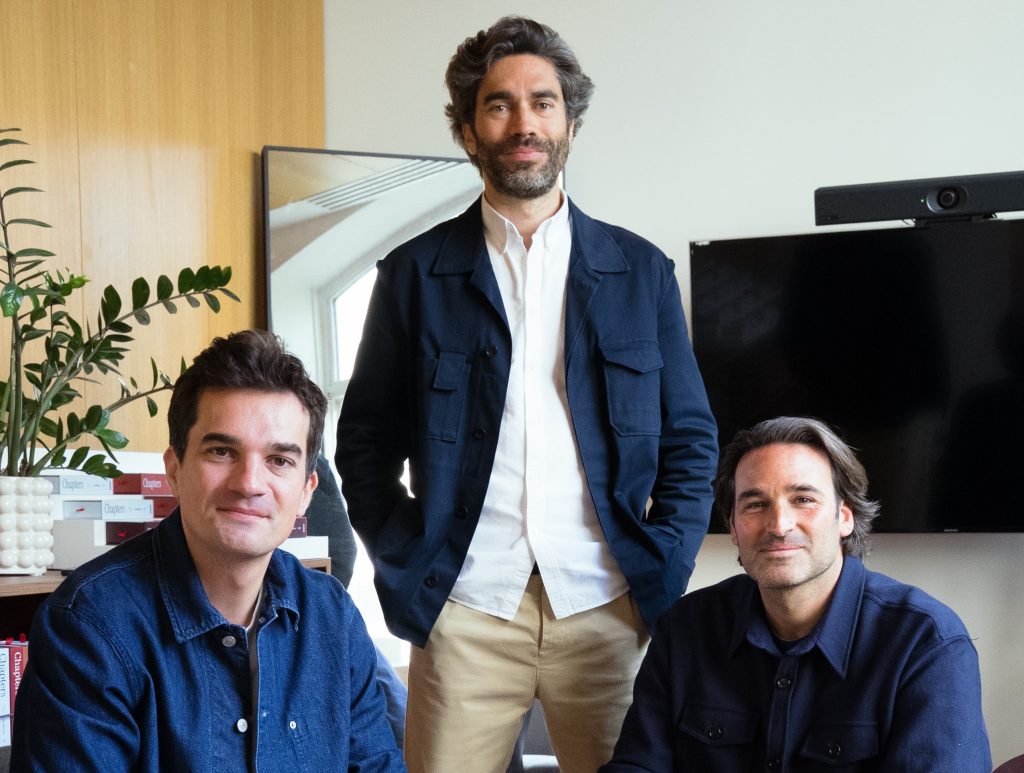
Farmers | image depicting Guy-Singhwatson holding a sign that says 'grevious biloigcal harm'. The founder of organic food company has called for tighter restrictions on glyphosate, arguing the weedkiller has become embedded in Britain’s food system despite mounting public concern over its health and environmental impact.
Big InterviewSupply ChainSustainability

The founder of an organic food company has called for tighter restrictions on glyphosate, arguing the weedkiller has become embedded in Britain’s food system despite mounting public concern over its health and environmental impact.

Riverford founder Guy Singh Watson’s new campaign says the herbicide, best known under the Roundup brand originally developed by and now owned by, was being used in ways that created a “direct route from field to plate”.

However, speaking to Retail Gazette, Singh-Watson stopped short of calling for a total ban. Instead, he is targeting one specific practice: the act of spraying glyphosate onto crops shortly before harvest to dry them out and make combining easier.

“What we are calling for is a ban on its use as a pre-harvest desiccant,” he says. “You are spraying it onto wheat, barley and oats a few days before harvest in full knowledge that people are going to eat that wheat.”

We caught up with Singh-Watson to speak about the human and environmental dangers of using glyphosate, organic farming and whether the UK has become too dependant on chemicals in farming.


The dangers of glyphosate

Glyphosate remains one of the world’s most widely used herbicides. In the UK, analysis of government data by Pesticide Action Network UK found glyphosate use had risen from around 200 metric tonnes in 1990 to more than 2,200 tonnes in 2024, with treated farmland increasing to more than 2.6 million hectares.

The debate around the chemical has intensified globally since the World Health Organization’s cancer agency classified glyphosate as “probably carcinogenic” in 2015. Bayer has consistently maintained glyphosate is safe when used correctly and regulators in both Europe and the United States have repeatedly said current evidence does not justify a full ban.

Even so, the company has spent billions settling lawsuits in the United States brought by users who claimed exposure to Roundup caused non-Hodgkin lymphoma. Reuters reported this year that Bayer had already paid around $10bn in settlements, while tens of thousands of cases remain ongoing.

When speaking about the potential dangers to human health, Singh-Watson points repeatedly to the US litigation.

“There have been thousands of cases in the US over Hodgkin’s lymphoma,” he says. “The courts defended that very vigorously, and they lost.”

Photo: Shutterstock. The owners of Roundup are facing billions of dollars in lawsuits for the products alleged link to cancer.

And many people are inadvertently consuming glyphosate, with Singh-Watson quoting 30% of people in the UK have glyphosate in their urine, and 50% in the states, with some studies reported by The Guardian placing this figure even higher at 80%.

“It just seems an egregious,” Singh-Watson says. “This is grievous biological harm. This is intentional, we are poisoning people intentionally in the full knowledge of the dangers of glyphosate”.

He also questions whether existing safety testing goes far enough. Regulators typically assess glyphosate as an active ingredient, but Singh-Watson argues that commercial formulations also contain additional chemicals designed to help absorption.

“The regulatory regime is inadequate,” he adds. “You only test the active ingredient, whereas it is invariably applied with adjuvants that help the plant absorb the toxin.”

These fears have been supported by recent research, including King’s College molecular geneticist and toxicologist Professor Michael Antoniou who has become a leading scientific voice warning about the health risks of glyphosate-based herbicides.

His research challenges the regulatory consensus by demonstrating that even “safe” levels of exposure can cause DNA damage, liver disease, and cancer.

As the sole UK-based contributor to this landmark international research, Antoniou helped demonstrate that long-term exposure to glyphosate can cause multiple types of tumours and cancers in rats, even at levels deemed safe by EU and global regulators, with data from his lab showing that low doses of glyphosate-based weedkillers alter the healthy bacteria in the human gut, which can lead to chronic inflammation and metabolic issues.

Could the UK drop the use of glyphosate?

The European Union renewed glyphosate approval in 2023 until 2033, but introduced tighter conditions around its use. EU rules now prohibit its use for pre-harvest desiccation designed to optimise harvesting. However, Britain has not followed suit.

Campaigners backing Riverford’s latest initiative argue the economic benefits of pre-harvest spraying are marginal.

In the UK, wholesale wheat prices are currently hovering around £188 to £192 per tonne for feed wheat. Singh-Watson estimates that even if the practice reduced wheat costs by £5 per tonne, the impact on a loaf of bread, which often has less than 10 pence worth of wheat per loaf, would amount to fractions of a penny.

“You are talking about something absolutely trivial and irrelevant to the cost of food,” he says.

Yet he acknowledges many farmers feel trapped between rising costs and relentless retail pressure.

“Farmers are being squeezed and squeezed,” he says. “If we want cheap food, let’s not look to farming to reduce costs anymore. Better to look to the supply chain, particularly retailers and processors.”
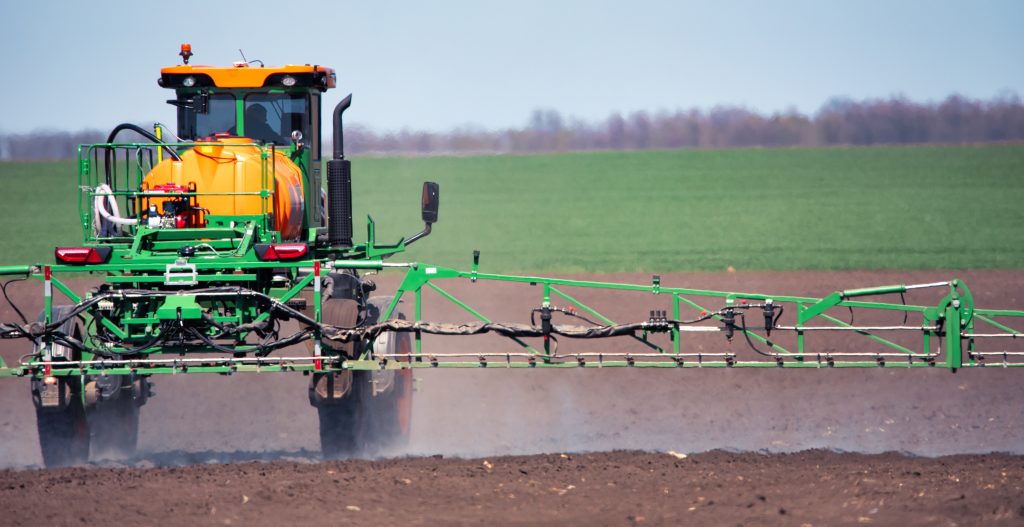
Photo. Shutterstock. Riverford founder Singh-Watson questions whether the UK farming sector is too reliant on chemicals.

The comments come during another volatile period for British agriculture. Fertiliser and fuel prices have risen sharply following geopolitical disruption and instability in global commodity markets, most recently due to thee US-Iran war.

Nitrogen fertiliser markets in particular have faced repeated shocks linked to energy costs, Russian exports and fears over disruption in the Strait of Hormuz.

“What farmers want is stability,” Singh-Watson says. “Most farmers just want to get on with farming. They don’t want to be worrying about these global impacts.”

When asked whether the UK has become too reliant on chemicals, he argues conventional farming had become too dependent on chemical inputs, although rejected suggestions that Britain could switch overnight to entirely organic production.

“I’m not advocating that we all go organic tomorrow,” he says. “With grain, it would be difficult.”

“I think we’d really struggle to feed ourselves, but actually, I don’t think we would have any trouble with dairy, beef, lamb, and so on. I think we should be putting more effort into, into investigating the alternatives.”

The alternatives being, he says, towards regenerative and agroecological farming systems, including improving soil health and reducing synthetic fertiliser dependence. And these alternatives could be more advanced if more investment and research went into the sector.

“If you look at the amount of money that’s gone into supporting the agrochemical industry, the life sciences, such GM crops,” says Singh-Watson. “If some of that money had gone into looking at more agroecological farming techniques, I think we would have moved a lot way forward further forward.”

Riverford itself has operated organically for four decades. Singh-Watson says the company does not use synthetic herbicides such as glyphosate on its crops, relying instead on crop rotation, cultivation, soil management and manual weed control.

He also warns that fertilisers themselves carried environmental costs often overlooked in the pesticides debate.

“We should be mindful that their impact is every bit as high as pesticides in terms of damage to the soil and waterways,” he says.

For all the controversy around glyphosate, Singh-Watson accepts the chemical remains highly effective for farmers, particularly against difficult perennial weeds such as blackgrass.

“It’s a brilliant chemical,” he admits. “That’s why it has become so widespread.”

“But we should be leaning towards safety. I think it always comes down to a balance of the risks against the benefits. When you know the dangers of glyphosate for this pre-harvest desiccation, there’s just no way anyone can argue for it.”

“When I hear farmers claiming that they won’t be able to farm without it,” Singh-Watson adds.” That’s just a bare face lie.”

The question facing policymakers is whether the convenience it offers the food system still outweighs the growing political, environmental and public health concerns surrounding it.

For all the dispute over glyphosate, looking ahead, Singh-Watson says the system will keep “squeezed and squeezed” until farming is given space to change how it produces food.

Click here to sign up to Retail Gazette‘s free daily email newsletter

Big InterviewSupply ChainSustainability

Leave a Reply

Your email address will not be published. Required fields are marked *

Fill out this field
Fill out this field
Please enter a valid email address.

‘Poison in plain sight’: Have British farmers become too reliant on farm chemicals?

Farmers | image depicting Guy-Singhwatson holding a sign that says 'grevious biloigcal harm'. The founder of organic food company has called for tighter restrictions on glyphosate, arguing the weedkiller has become embedded in Britain’s food system despite mounting public concern over its health and environmental impact.

The founder of an organic food company has called for tighter restrictions on glyphosate, arguing the weedkiller has become embedded in Britain’s food system despite mounting public concern over its health and environmental impact.

Riverford founder Guy Singh Watson’s new campaign says the herbicide, best known under the Roundup brand originally developed by and now owned by, was being used in ways that created a “direct route from field to plate”.

However, speaking to Retail Gazette, Singh-Watson stopped short of calling for a total ban. Instead, he is targeting one specific practice: the act of spraying glyphosate onto crops shortly before harvest to dry them out and make combining easier.

“What we are calling for is a ban on its use as a pre-harvest desiccant,” he says. “You are spraying it onto wheat, barley and oats a few days before harvest in full knowledge that people are going to eat that wheat.”

We caught up with Singh-Watson to speak about the human and environmental dangers of using glyphosate, organic farming and whether the UK has become too dependant on chemicals in farming.


The dangers of glyphosate

Glyphosate remains one of the world’s most widely used herbicides. In the UK, analysis of government data by Pesticide Action Network UK found glyphosate use had risen from around 200 metric tonnes in 1990 to more than 2,200 tonnes in 2024, with treated farmland increasing to more than 2.6 million hectares.

The debate around the chemical has intensified globally since the World Health Organization’s cancer agency classified glyphosate as “probably carcinogenic” in 2015. Bayer has consistently maintained glyphosate is safe when used correctly and regulators in both Europe and the United States have repeatedly said current evidence does not justify a full ban.

Even so, the company has spent billions settling lawsuits in the United States brought by users who claimed exposure to Roundup caused non-Hodgkin lymphoma. Reuters reported this year that Bayer had already paid around $10bn in settlements, while tens of thousands of cases remain ongoing.

When speaking about the potential dangers to human health, Singh-Watson points repeatedly to the US litigation.

“There have been thousands of cases in the US over Hodgkin’s lymphoma,” he says. “The courts defended that very vigorously, and they lost.”

Photo: Shutterstock. The owners of Roundup are facing billions of dollars in lawsuits for the products alleged link to cancer.

And many people are inadvertently consuming glyphosate, with Singh-Watson quoting 30% of people in the UK have glyphosate in their urine, and 50% in the states, with some studies reported by The Guardian placing this figure even higher at 80%.

“It just seems an egregious,” Singh-Watson says. “This is grievous biological harm. This is intentional, we are poisoning people intentionally in the full knowledge of the dangers of glyphosate”.

He also questions whether existing safety testing goes far enough. Regulators typically assess glyphosate as an active ingredient, but Singh-Watson argues that commercial formulations also contain additional chemicals designed to help absorption.

“The regulatory regime is inadequate,” he adds. “You only test the active ingredient, whereas it is invariably applied with adjuvants that help the plant absorb the toxin.”

These fears have been supported by recent research, including King’s College molecular geneticist and toxicologist Professor Michael Antoniou who has become a leading scientific voice warning about the health risks of glyphosate-based herbicides.

His research challenges the regulatory consensus by demonstrating that even “safe” levels of exposure can cause DNA damage, liver disease, and cancer.

As the sole UK-based contributor to this landmark international research, Antoniou helped demonstrate that long-term exposure to glyphosate can cause multiple types of tumours and cancers in rats, even at levels deemed safe by EU and global regulators, with data from his lab showing that low doses of glyphosate-based weedkillers alter the healthy bacteria in the human gut, which can lead to chronic inflammation and metabolic issues.

Could the UK drop the use of glyphosate?

The European Union renewed glyphosate approval in 2023 until 2033, but introduced tighter conditions around its use. EU rules now prohibit its use for pre-harvest desiccation designed to optimise harvesting. However, Britain has not followed suit.

Campaigners backing Riverford’s latest initiative argue the economic benefits of pre-harvest spraying are marginal.

In the UK, wholesale wheat prices are currently hovering around £188 to £192 per tonne for feed wheat. Singh-Watson estimates that even if the practice reduced wheat costs by £5 per tonne, the impact on a loaf of bread, which often has less than 10 pence worth of wheat per loaf, would amount to fractions of a penny.

“You are talking about something absolutely trivial and irrelevant to the cost of food,” he says.

Yet he acknowledges many farmers feel trapped between rising costs and relentless retail pressure.

“Farmers are being squeezed and squeezed,” he says. “If we want cheap food, let’s not look to farming to reduce costs anymore. Better to look to the supply chain, particularly retailers and processors.”

Photo. Shutterstock. Riverford founder Singh-Watson questions whether the UK farming sector is too reliant on chemicals.

The comments come during another volatile period for British agriculture. Fertiliser and fuel prices have risen sharply following geopolitical disruption and instability in global commodity markets, most recently due to thee US-Iran war.

Nitrogen fertiliser markets in particular have faced repeated shocks linked to energy costs, Russian exports and fears over disruption in the Strait of Hormuz.

“What farmers want is stability,” Singh-Watson says. “Most farmers just want to get on with farming. They don’t want to be worrying about these global impacts.”

When asked whether the UK has become too reliant on chemicals, he argues conventional farming had become too dependent on chemical inputs, although rejected suggestions that Britain could switch overnight to entirely organic production.

“I’m not advocating that we all go organic tomorrow,” he says. “With grain, it would be difficult.”

“I think we’d really struggle to feed ourselves, but actually, I don’t think we would have any trouble with dairy, beef, lamb, and so on. I think we should be putting more effort into, into investigating the alternatives.”

The alternatives being, he says, towards regenerative and agroecological farming systems, including improving soil health and reducing synthetic fertiliser dependence. And these alternatives could be more advanced if more investment and research went into the sector.

“If you look at the amount of money that’s gone into supporting the agrochemical industry, the life sciences, such GM crops,” says Singh-Watson. “If some of that money had gone into looking at more agroecological farming techniques, I think we would have moved a lot way forward further forward.”

Riverford itself has operated organically for four decades. Singh-Watson says the company does not use synthetic herbicides such as glyphosate on its crops, relying instead on crop rotation, cultivation, soil management and manual weed control.

He also warns that fertilisers themselves carried environmental costs often overlooked in the pesticides debate.

“We should be mindful that their impact is every bit as high as pesticides in terms of damage to the soil and waterways,” he says.

For all the controversy around glyphosate, Singh-Watson accepts the chemical remains highly effective for farmers, particularly against difficult perennial weeds such as blackgrass.

“It’s a brilliant chemical,” he admits. “That’s why it has become so widespread.”

“But we should be leaning towards safety. I think it always comes down to a balance of the risks against the benefits. When you know the dangers of glyphosate for this pre-harvest desiccation, there’s just no way anyone can argue for it.”

“When I hear farmers claiming that they won’t be able to farm without it,” Singh-Watson adds.” That’s just a bare face lie.”

The question facing policymakers is whether the convenience it offers the food system still outweighs the growing political, environmental and public health concerns surrounding it.

For all the dispute over glyphosate, looking ahead, Singh-Watson says the system will keep “squeezed and squeezed” until farming is given space to change how it produces food.

Click here to sign up to Retail Gazette‘s free daily email newsletter

Social


SUBSCRIBE TO OUR DAILY NEWSLETTER

  • This field is for validation purposes and should be left unchanged.
Big InterviewSupply ChainSustainability

Leave a Reply

Your email address will not be published. Required fields are marked *

Fill out this field
Fill out this field
Please enter a valid email address.

RELATED STORIES

Latest Feature


Menu

Get Inside Matalan

A supply chain case study delivered to your inbox in three emails. The 3 elements Matalan changed to impact its bottom line..

Matalan Supply Chain Programme Form

  • This field is for validation purposes and should be left unchanged.


Close popup

Please enter the verification code sent to your email: