

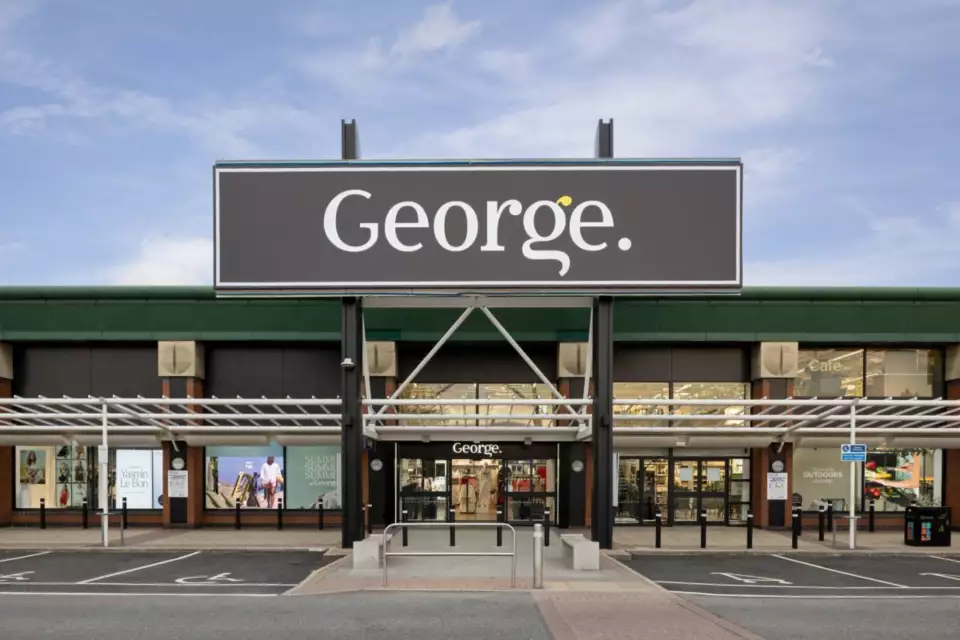
Last April, Asda unveiled Leeds as the location of its first standalone George concept store.
At the time of launch, the supermarket said the new trialled concept would replace its Asda Living brand portfolio across the UK if it was successful.
Under its new concept, the Leeds store was “completely transformed with a new layout” with an expanded George range, alongside homeware, toys and essential baby products.
Its previous Asda Living stores launched its first site in 2004 in Walsall, marking the supermarkets first “general merchandise” store.
Commenting on the rebrand last year, Asda chief commercial officer George and Retail stores Liz Evans explained: “Our Asda Living stores have been incredibly successful in showcasing the best of our non-food offering conveniently under roof, creating a seamless shopping experience for our customers.
“As retail habits evolve and customer expectations rise, we remain committed to delivering exceptional choice and an experience that continues to meet—and exceed—the needs of today’s shopper.”
She added: “This latest transformation is all about making shopping easier and more inspiring with the George brand at its heart.”

The business went on to name Hull as its second site with the new concept in October, as George managing director Liz Evans described Leeds as a “tremendous success”.
Most recently, Asda named Peterborough as its third site for the concept store, as it accelerated its plans to open 10 standalone George shops under the new format in 2026.
The new store concept forms a key part of the retailer’s turnaround strategy, as the company enters the second year of its major revamp.
As the company recently released its FY25 results (27 March), Chair Allan Leighton claimed the new George concept stores had been performing “really well” since their opening.
“They’re all performing ahead of their plan” Leighton said. “The plan is to open anywhere between 50 and 100 of those in the next few years as we double down on George.”
Leighton also insisted that George was “part of its difference” from competitors.
“In a supermarket, nobody can do the scale of the clothing that we do. We’re looking for that brand to be £4bn plus as we move forward and those standalone stores will be part of that.”
Against this claim, Retail Gazette looks at some of George’s supermarket rivals as the fashion brand evolves – and how their offerings compare to Asda’s.
Tesco F&F
As the UK’s biggest supermarket, Tesco’s clothing arm F&F is a formidable competitor to George by default.
Over 2,200 products across womenswear, menswear, kidswear, shoes and accessories are offered on the retailer’s website, as well as its grocery and Clubcard app. The fashion range can also be purchased from many Tesco stores.
Although the clothing brand does not run standalone shops in the UK, F&F relaunched online after seven years in May as its popularity continued to soar.
Commenting on the move in June after its Q1 trading statement, GlobalData retail analyst Aliyah Siddika noted that the retailer’s non-food division had “performed well,” with sales up 6.2 per cent excluding toys. She said that this highlighted the “success of Tesco’s F&F home launch at the end of 2024 and the return of F&F clothing online in May”.
The clothing brand has been performing well recently. In Tesco’s October interim results, F&F sales climbed 7.8 per cent for the 26 weeks to 23 August, reportedly driven by its online clothing relaunch.
In January, it was also reported that Tesco’s clothing sales rose 4.4 per cent over Christmas, from mid November to 3 January.
However, in YouGov’s ranking for the most popular fashion and clothing brands for Q4 2025, F&F came in at number 18 trailing behind George in 6th place.

Sainsbury’s Tu
Sainsbury’s Tu is another significant rival to Asda George.
While it lacks standalone stores, the clothing brand has its own dedicated website where shoppers can purchase clothes. Tu Clothing can also be ordered via the Argos website and app, and purchased from many Sainsbury’s stores.
The fashion business is certainly a force to be reckoned with. In 2022, Sainsbury’s announced that Tu Clothing had become a £1bn brand, delivering sales growth of 12.7 per cent over its last 12 months.
More recently, Sainsbury’s reported in November that its general merchandise and clothing sales swelled 3.3 per cent to £804 million during its first half. Its Tu Clothing sales alone soared 7.8 per cent over the period, which it said outperformed the market for its fifth consecutive quarter.
However, the supermarket’s clothing sales dipped 1.1 per cent in its latest Q3 results amid weaker market conditions, while revenues also declined 1 per cent over the Christmas period.
In YouGov’s ranking for the most popular fashion and clothing brands for Q4 2025, Tu Clothing earned a respectable 14th place in the list.

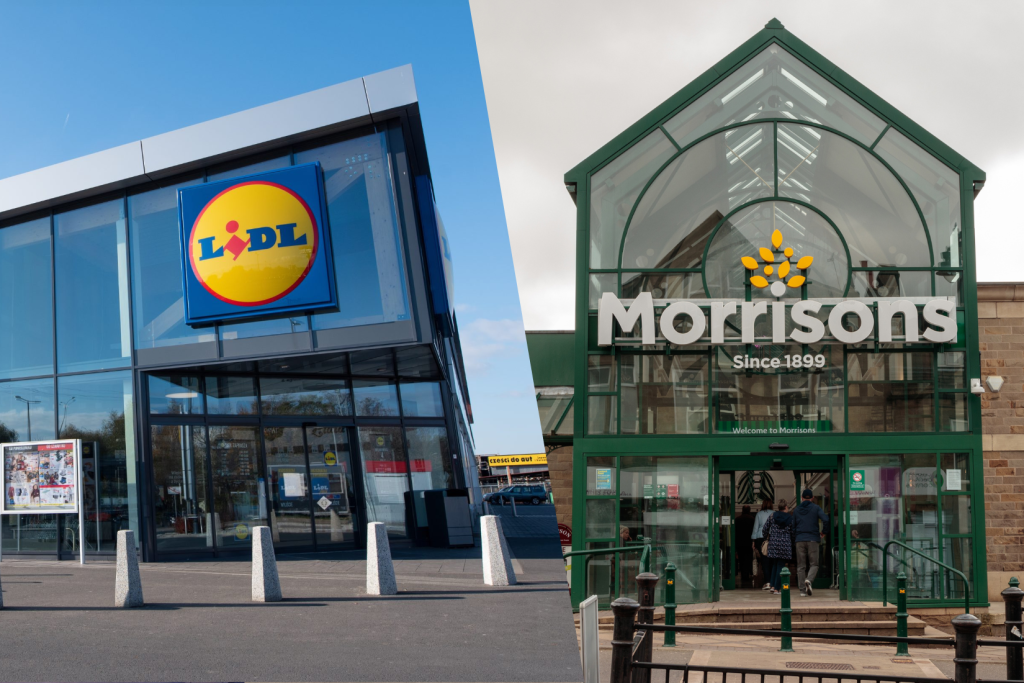
Morrisons’ Nutmeg
Despite being a lesser known brand, Morrisons’ Nutmeg is another rival to Asda George.
Although Morrisons launched a standalone Nutmeg & Home store in 2020, the store has now permanently closed.
Nutmeg is less famous than Asda, Tesco and Sainsbury’s clothing businesses. However, it could be one to watch out for.
In January, Morrisons reported that it pulled in a “market-beating performance” in its Nutmeg clothing offer, as sales increased 4.7 per cent.
Nutmeg products can be purchased from the Morrisons website, after being added to its home delivery for the first time in February.
The brand had previously only been available as a click and collect service online since 2018. It is also available from many of Morrisons’ physical supermarkets, and can be bought on the grocery giant’s app.

Click here to sign up to Retail Gazette‘s free daily email newsletter