
Whole Foods Market’s Jade Hoai on translating the iconic US brand into London bricks and mortar

Big InterviewIn-Store

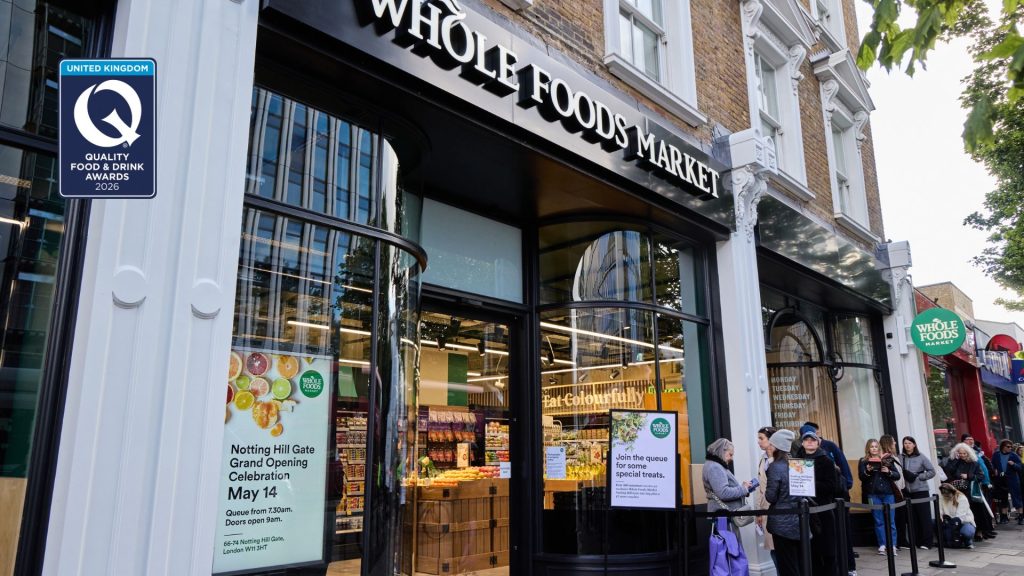
Long established as an iconic name in US grocery retail, Whole Foods Market has built its reputation on premium products, trusted standards and a shopping experience with real personality. Now, with a fresh wave of London openings, the brand is building momentum in the UK too.

Whole Foods Market is entering a new phase in Britain. For many UK shoppers, it has long felt like a destination brand rather than an everyday grocery stop.

However, that’s now beginning to change. As the retailer expands its footprint in London, Jade Hoai, executive leader of purchasing, tells Retail Gazette that the aim is to bring the brand closer to the communities that have been asking for it. “Part of what we hear from our customers is there’s just not one close by to me,” she says.

That demand has helped shape the latest run of openings, with Angel emerging as a particularly significant site.

Hoai describes the area as a clear opportunity, driven by strong local demand and the chance to bring Whole Foods Market into one of London’s most vibrant neighbourhoods. More broadly, the move reflects a growing confidence that the iconic US retailer can become part of everyday shopping habits in the capital, rather than simply remaining somewhere consumers make a special trip to visit.

The challenge, of course, is fitting the distinctly American scale of Whole Foods Market into the kind of real estate available in a densely packed city like London, and doing so without losing what has made the brand so distinctive in the first place.

Recreating the Whole Foods experience

For Hoai, the appeal of Whole Foods goes beyond grocery. “First and foremost, we want to highlight and celebrate the best food that there is out there,” she says. That means products that are high quality, exciting and “bring you joy when you eat it”.

That sense of discovery remains central to the offer, even in smaller stores. The question, Hoai says, was whether the business could “recreate that experience where a customer comes in and just discovers something new or finds a favourite that they can’t access anywhere else”.

She believes the answer is yes.

Whole Foods Market may be opening in more compact London spaces, but the ambition hasn’t changed. Customers should still feel the same mix of trust, curation and excitement that defines the larger stores.

Growing in London means adapting

London presents obvious challenges for any retailer trying to scale, and Hoai is realistic about that. “In an ideal world, we would be looking for a 25,000 sq ft box,” she says. “But part of the charm of London is that you get a different building every time. You get a different history and a different shape.”

Rather than force every site into the same mould, Whole Foods works with the space it has. What matters most, she says, is not the shell but “the people and the products inside”.

That thinking is especially visible at Angel. The store is compact by Whole Foods standards, but it has been designed to retain the sense of theatre and warmth the brand is known for. For Hoai, the test is whether a customer walking into a smaller London store still gets that same sense of excitement and discovery. In Angel, she believes that has been achieved.

That flexibility is also helping the business move quickly. Hoai points to a pace of expansion that shows Whole Foods isn’t simply experimenting in the UK, but actively building.

The main ingredient? People

Asked what goes into opening a new store, Hoai does not start with property or logistics. “The main ingredient is the people,” she says.

That means team members who are excited by the mission and suppliers who want to be part of the journey. “Our supplier community is also very excited,” she says, adding that many are eager to support not just because of their own growth, but because the openings mean something for the wider natural foods sector too.

That support can be highly visible in-store. Whole Foods Market continues to use tastings, demos and founder appearances to bring brands to life. “Where can you go into other shops and talk to the person who created it, or have a taste before you commit to buying it?” Hoai says.

That, in her view, is a genuine differentiator.

Curation still matters

Whole Foods remains careful about what makes it onto shelves. It’s not simply about filling space, but about finding brands that fit the ethos of the business and offer something meaningful to customers.

Hoai says the retailer looks for products that are “great quality” and genuinely exciting, whether they come through traditional category reviews, pitch days or direct conversations with smaller founders. Those more open routes are particularly important to her, because they allow Whole Foods Market to support early-stage brands and give them a platform to grow.

It’s one of the clearest examples of what the business wants to stand for. Trusted standards, paired with discovery.

Designed to feel warm, not sterile

Design is another major part of the Whole Foods identity, and Hoai speaks about it with real enthusiasm. “We have an incredibly talented design team and store development team,” she says.

Their job isn’t just to make stores look attractive, but to create an environment that reflects the products and stories inside. “It’s more than just a box where you get groceries,” Hoai says. “It wants to celebrate the food.”

That philosophy is especially important in London, where each site brings its own quirks and constraints. Rather than trying to impose a standardised blueprint, Whole Foods leans into the individuality of each building. In Angel, that includes one of the store’s most distinctive features, natural light. Hoai points to the skylight running through the site as a rare asset in a London retail environment, adding: “As much as we can get natural light, that is always the first preference.”

She is equally clear that the other design choices are just as deliberate. “What we use in terms of our colour palette should celebrate the food and the products that we have inside,” she says. That means a store environment that feels warm, textured and full of character, rather than clinical or warehouse-like.

Lighting, too, is carefully considered. “We think about what is the best light to showcase things,” Hoai says, but also about how the overall space feels for customers and team members. In other words, these elements aren’t decorative extras. They’re a key part of translating the Whole Foods experience into a London setting.

Community is part of the model

Alongside product and design, Hoai also stresses the importance of local connection. Whole Foods wants to be active in the neighbourhoods it serves, whether through charity partnerships, school programmes or hands-on team involvement.

For her, that matters because it shows the business is serious about its values. “We want to nourish people with purpose, both in our stores and in our communities,” she says.

That line captures the wider ambition neatly. Whole Foods Market may be an iconic American brand, but its UK growth story will depend on how well it can embed itself locally.

And right now, that growth story is gathering pace.

Click here to sign up to Retail Gazette‘s free daily email newsletter

Big InterviewIn-Store

Leave a Reply

Your email address will not be published. Required fields are marked *

Fill out this field
Fill out this field
Please enter a valid email address.

Whole Foods Market’s Jade Hoai on translating the iconic US brand into London bricks and mortar

Long established as an iconic name in US grocery retail, Whole Foods Market has built its reputation on premium products, trusted standards and a shopping experience with real personality. Now, with a fresh wave of London openings, the brand is building momentum in the UK too.

Whole Foods Market is entering a new phase in Britain. For many UK shoppers, it has long felt like a destination brand rather than an everyday grocery stop.

However, that’s now beginning to change. As the retailer expands its footprint in London, Jade Hoai, executive leader of purchasing, tells Retail Gazette that the aim is to bring the brand closer to the communities that have been asking for it. “Part of what we hear from our customers is there’s just not one close by to me,” she says.

That demand has helped shape the latest run of openings, with Angel emerging as a particularly significant site.

Hoai describes the area as a clear opportunity, driven by strong local demand and the chance to bring Whole Foods Market into one of London’s most vibrant neighbourhoods. More broadly, the move reflects a growing confidence that the iconic US retailer can become part of everyday shopping habits in the capital, rather than simply remaining somewhere consumers make a special trip to visit.

The challenge, of course, is fitting the distinctly American scale of Whole Foods Market into the kind of real estate available in a densely packed city like London, and doing so without losing what has made the brand so distinctive in the first place.

Recreating the Whole Foods experience

For Hoai, the appeal of Whole Foods goes beyond grocery. “First and foremost, we want to highlight and celebrate the best food that there is out there,” she says. That means products that are high quality, exciting and “bring you joy when you eat it”.

That sense of discovery remains central to the offer, even in smaller stores. The question, Hoai says, was whether the business could “recreate that experience where a customer comes in and just discovers something new or finds a favourite that they can’t access anywhere else”.

She believes the answer is yes.

Whole Foods Market may be opening in more compact London spaces, but the ambition hasn’t changed. Customers should still feel the same mix of trust, curation and excitement that defines the larger stores.

Growing in London means adapting

London presents obvious challenges for any retailer trying to scale, and Hoai is realistic about that. “In an ideal world, we would be looking for a 25,000 sq ft box,” she says. “But part of the charm of London is that you get a different building every time. You get a different history and a different shape.”

Rather than force every site into the same mould, Whole Foods works with the space it has. What matters most, she says, is not the shell but “the people and the products inside”.

That thinking is especially visible at Angel. The store is compact by Whole Foods standards, but it has been designed to retain the sense of theatre and warmth the brand is known for. For Hoai, the test is whether a customer walking into a smaller London store still gets that same sense of excitement and discovery. In Angel, she believes that has been achieved.

That flexibility is also helping the business move quickly. Hoai points to a pace of expansion that shows Whole Foods isn’t simply experimenting in the UK, but actively building.

The main ingredient? People

Asked what goes into opening a new store, Hoai does not start with property or logistics. “The main ingredient is the people,” she says.

That means team members who are excited by the mission and suppliers who want to be part of the journey. “Our supplier community is also very excited,” she says, adding that many are eager to support not just because of their own growth, but because the openings mean something for the wider natural foods sector too.

That support can be highly visible in-store. Whole Foods Market continues to use tastings, demos and founder appearances to bring brands to life. “Where can you go into other shops and talk to the person who created it, or have a taste before you commit to buying it?” Hoai says.

That, in her view, is a genuine differentiator.

Curation still matters

Whole Foods remains careful about what makes it onto shelves. It’s not simply about filling space, but about finding brands that fit the ethos of the business and offer something meaningful to customers.

Hoai says the retailer looks for products that are “great quality” and genuinely exciting, whether they come through traditional category reviews, pitch days or direct conversations with smaller founders. Those more open routes are particularly important to her, because they allow Whole Foods Market to support early-stage brands and give them a platform to grow.

It’s one of the clearest examples of what the business wants to stand for. Trusted standards, paired with discovery.

Designed to feel warm, not sterile

Design is another major part of the Whole Foods identity, and Hoai speaks about it with real enthusiasm. “We have an incredibly talented design team and store development team,” she says.

Their job isn’t just to make stores look attractive, but to create an environment that reflects the products and stories inside. “It’s more than just a box where you get groceries,” Hoai says. “It wants to celebrate the food.”

That philosophy is especially important in London, where each site brings its own quirks and constraints. Rather than trying to impose a standardised blueprint, Whole Foods leans into the individuality of each building. In Angel, that includes one of the store’s most distinctive features, natural light. Hoai points to the skylight running through the site as a rare asset in a London retail environment, adding: “As much as we can get natural light, that is always the first preference.”

She is equally clear that the other design choices are just as deliberate. “What we use in terms of our colour palette should celebrate the food and the products that we have inside,” she says. That means a store environment that feels warm, textured and full of character, rather than clinical or warehouse-like.

Lighting, too, is carefully considered. “We think about what is the best light to showcase things,” Hoai says, but also about how the overall space feels for customers and team members. In other words, these elements aren’t decorative extras. They’re a key part of translating the Whole Foods experience into a London setting.

Community is part of the model

Alongside product and design, Hoai also stresses the importance of local connection. Whole Foods wants to be active in the neighbourhoods it serves, whether through charity partnerships, school programmes or hands-on team involvement.

For her, that matters because it shows the business is serious about its values. “We want to nourish people with purpose, both in our stores and in our communities,” she says.

That line captures the wider ambition neatly. Whole Foods Market may be an iconic American brand, but its UK growth story will depend on how well it can embed itself locally.

And right now, that growth story is gathering pace.

Click here to sign up to Retail Gazette‘s free daily email newsletter

Social


SUBSCRIBE TO OUR DAILY NEWSLETTER

  • This field is for validation purposes and should be left unchanged.
Big InterviewIn-Store

Leave a Reply

Your email address will not be published. Required fields are marked *

Fill out this field
Fill out this field
Please enter a valid email address.

RELATED STORIES

Latest Feature


Menu


Close popup

Please enter the verification code sent to your email: